Winter doortrainen

Keep training through winter: how to keep cycling and running when it’s cold and dark


The clocks have gone back, the days are getting shorter and it's getting colder. This is exactly when a lot of athletes call it a day. A shame, because if you keep training through the winter, you'll be much stronger at the start line in spring. With the right clothing and a few smart habits, training through winter isn't just doable, it's actually fun.

1. Dress in layers

The basics of winter clothing are simple: several thin layers keep you warmer than one thick jacket. A base layer wicks sweat away, a mid layer holds in the warmth and an outer layer keeps out wind and rain. Start your ride or run feeling slightly cold. After ten minutes you'll be just right.

  • 10 to 15 °C: cyclists wear shorts with leg warmers, a jersey with arm warmers and a gilet. Runners go for a long-sleeved top and shorts or 3/4 tights.
  • 5 to 10 °C: cyclists choose long tights, a base layer, a thermal jersey, thin gloves and overshoes. Runners wear long tights, a base layer, a light jacket and thin gloves.
  • 0 to 5 °C: cyclists wear long tights, a base layer, a winter jacket, winter gloves, warm overshoes and a cap under the helmet. Runners wear warm tights, a base layer, a windproof jacket, warm gloves and a hat.
  • Below 0 °C: everything above, plus an extra layer and a neck warmer for your face. Watch out for ice and choose paths with good grip.
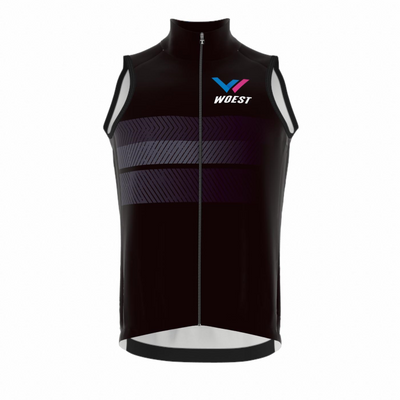
Bioracer Woest Men's Windproof Cycling Vest
View details →

2. Cyclists: hands and feet first

Your hands and feet get cold first, because they're furthest from your core and catch the most wind. So that's where to invest first.

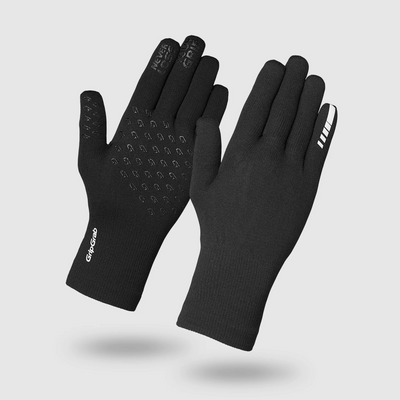
  • Winter gloves: warm and waterproof, with enough feel to shift and brake. For the really cold days there are lobster gloves, which keep two fingers together in each section.
  • Overshoes: keep wind and rain out. In hi-vis yellow you're extra visible too.
  • Long cycling tights and gilet: our own Woest kit by Bioracer keeps you warm without making you sweat.
  • Arm and leg warmers: ideal for rides that start cold and finish warmer.
GripGrab Waterproof Thermal Cycling Gloves
View details →

3. Runners: visible and warm

Running in the dark is wonderfully quiet, as long as you can be seen. Wear something reflective or lit up and choose a jacket that blocks the wind.

  • Lights: a chest or head torch lights your path, and an LED vest makes you visible from every side.
  • Running jackets: light, windproof and water-repellent.
  • Base layers: wick sweat away and keep you warm, even when it's windy.
  • Hats: a thin hat keeps the warmth in without overheating.

4. See and be seen

On the bike, lights are compulsory in the dark. Use a bright front and rear light, and turn your rear light on during the day too when it's grey. Reflective or hi-vis clothing helps even more, especially on parts that move, such as your feet and ankles. Runners should go for a head or chest torch and a reflective vest.

5. Stay motivated

  • Plan fixed sessions. You're less likely to skip a workout that's in your calendar.
  • Train together. With a group or a training partner, you'll head out even when it rains.
  • Pick a goal for spring. A sportive or a half marathon gives your training direction.
  • Be flexible. When it's icy or stormy, a session on the turbo trainer or treadmill is a great alternative.

6. Give your bike some extra care

Salt, mud and rain are bad for your drivetrain. Clean your chain after wet rides and lube it again. That way it lasts a lot longer. Everything you need for this is in our maintenance category.

Not sure what you need? Drop by our shop in Borculo (NL) and we'll help you get through the winter.

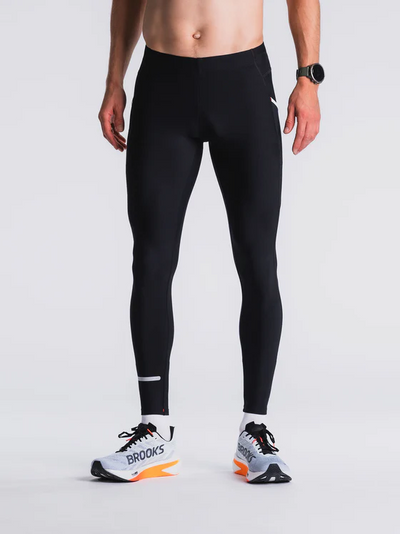
Fusion Long Tights
View details →